Tree Root Intrusion & Sewer Line Rooting
Serving Brantford, Niagara, Hamilton, Thorold, Welland and Woodstock. The specific problem "rooter" service was originally named for: roots growing into a sewer line and blocking it from the inside.
How roots actually get into a sewer line
Tree roots seek out moisture, and a sewer line carrying wastewater is a constant source of it. Roots find their way in through hairline cracks and loose joints, then keep growing once inside, tangling with debris and expanding the crack that let them in. Left alone, this causes recurring blockages that get worse over time, and eventually structural damage to the pipe itself, not just a clog, a deteriorating line.
Signs it's roots, not just a clog
A blockage that clears with a plunger or a store-bought snake and then comes back within weeks is the classic sign. Gurgling drains, slow drainage across multiple fixtures at once rather than just one, and backups that happen after heavy rain (roots expand more when the ground is wet) all point toward root intrusion in the main line rather than a simple localized clog.
Cutting the roots, then confirming the line
A rooter machine (a motorized cable with a cutting head) is run down the line to cut the root mass out mechanically. That restores flow immediately, but it doesn't answer whether the pipe itself is still sound. A camera inspection after cutting confirms the line is actually clear and shows whether the crack that let the roots in needs a real repair, not just another cut in six months.
Real root and sewer line work
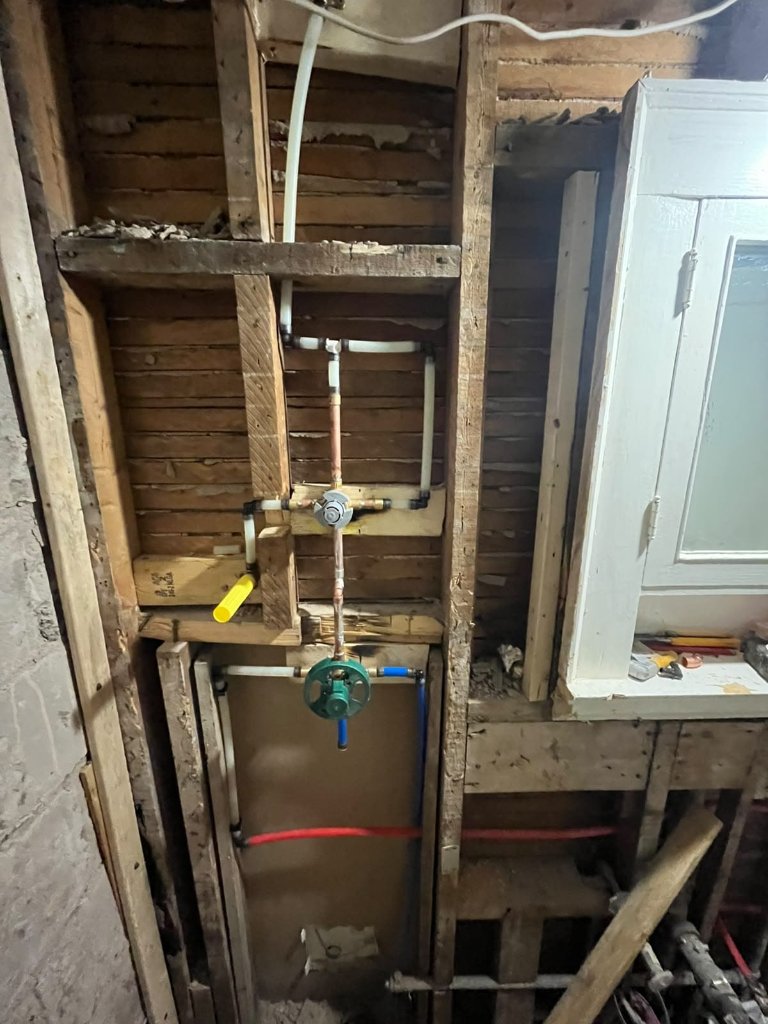
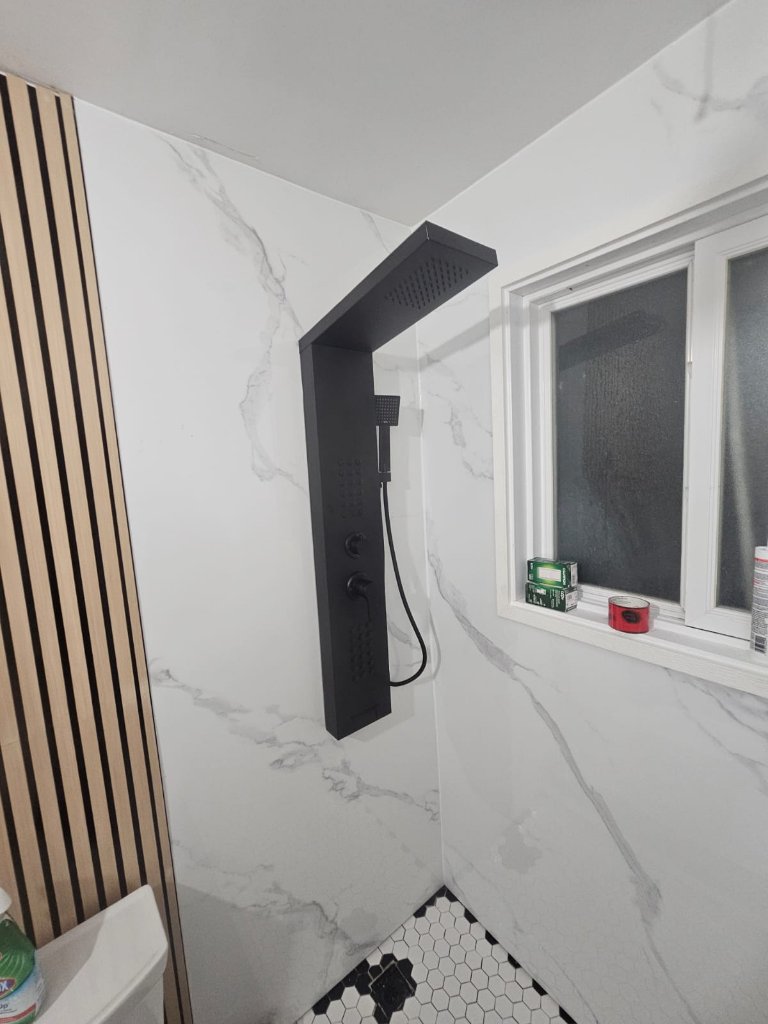
Mechanical root cutting for the specific problem "rooter" is named for.
Camera-confirmed after clearing, not just assumed fixed.
Recurring blockages after heavy rain are a real warning sign, not a coincidence.
Common questions
My drain cleared but backed up again a month later. Is that roots?
It's one of the most common patterns for root intrusion. A camera inspection will confirm it rather than guess.
Do you have to dig up my yard to remove roots from a sewer line?
Not for a mechanical cut. That's done through existing access points. Excavation only comes into play if the camera shows the pipe itself is cracked or collapsed, not for a standard root cutting.
Drain keeps backing up after clearing? That's usually roots, not bad luck.
Get Quote